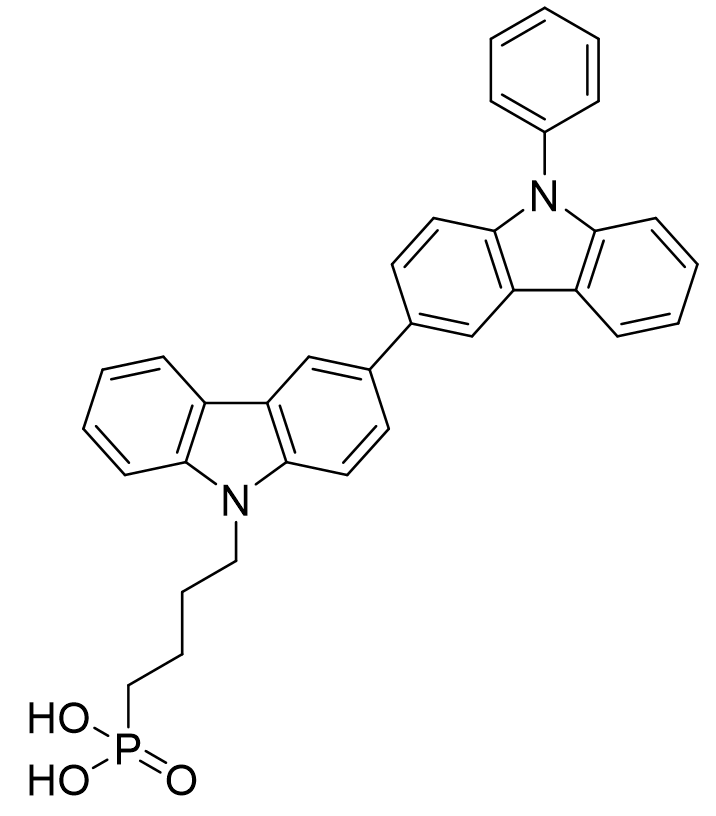
G4PV specializes in custom organic and inorganic synthesis, from molecular design to gram- and kilogram-scale production. Our synthetic chemistry team offers broad expertise across multi-step organic synthesis, coordination and inorganic chemistry, and specialty small-molecule manufacturing, with particular focus on materials for next-generation optoelectronic and photovoltaic applications. Core product lines include high-purity perovskite precursor materials (organic and inorganic halide salts, Cs-, FA-, and MA-based compounds) and self-assembled monolayer (SAM) molecules with custom anchoring groups and π-conjugated backbones, alongside a broad catalog of bespoke organic building blocks. Every batch is characterized by NMR, HPLC, and mass spectrometry to guarantee purity and batch-to-batch consistency. Know more from our product manual.
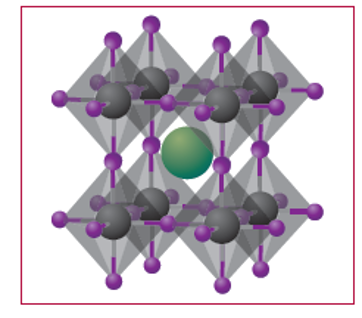
B (dark grey): Pb2+, Sn2+ : X (red): Br- , Cl, - I-
Perovskite Properties:
Strong light absorption in the visible region
Tunable band gap and remarkable defect tolerance
Small exciton dissociation energy (<30 meV)
1. High efficiencies beyond that of traditional silicon photovoltaics.
2. Low-cost production as the materials and manufacturing processes are comparably inexpensive.
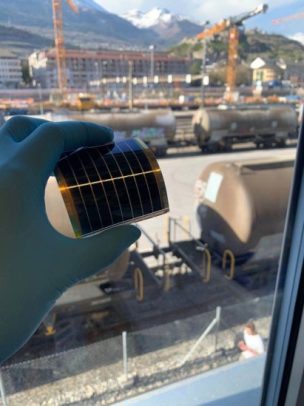
Flexibility and versatility as the panel can be made in glass or plastic, the latter being 100 times lighter than current commercial silicon photovoltaics.
Rapid production as low-energy solution-based processes are used.
Potential for innovation as the product can be continuously upgraded as superior components are discovered.
Environmental Benefits as they are based earth abundant elements, are inexpensive to fabricate and are fully recyclable.
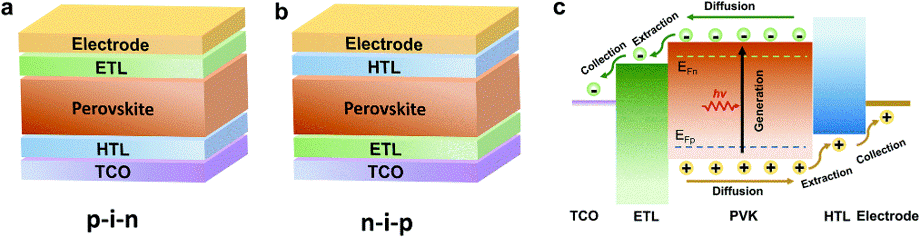
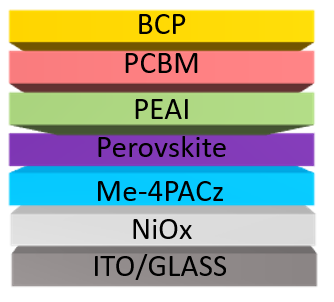
Device Fabrication
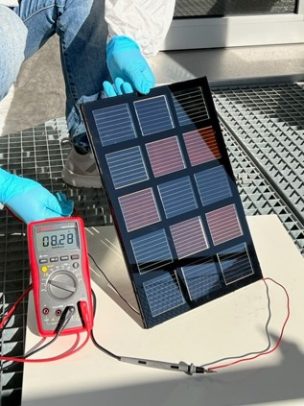
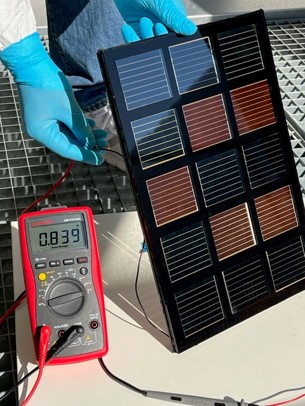
Photovoltaic performance of PSCs and perovskite solar modules.a Cross-section SEM image of the fabricated PSC. bJ–V characteristics of the best-performing device. c Photograph of the nine-subcell perovskite solar module.
We welcome collaborations with research institutes and industry partners, and provide paid services including molecular design and synthesis, as well as device fabrication, testing, and characterization.
Device performance Aperture area: 27.22 cm2
New record efficiency
on mini-module 22.50%
Module performance
Power conversion efficiency 23.3%, 6.5 x 7 cm2 PSC module 27 cm2.